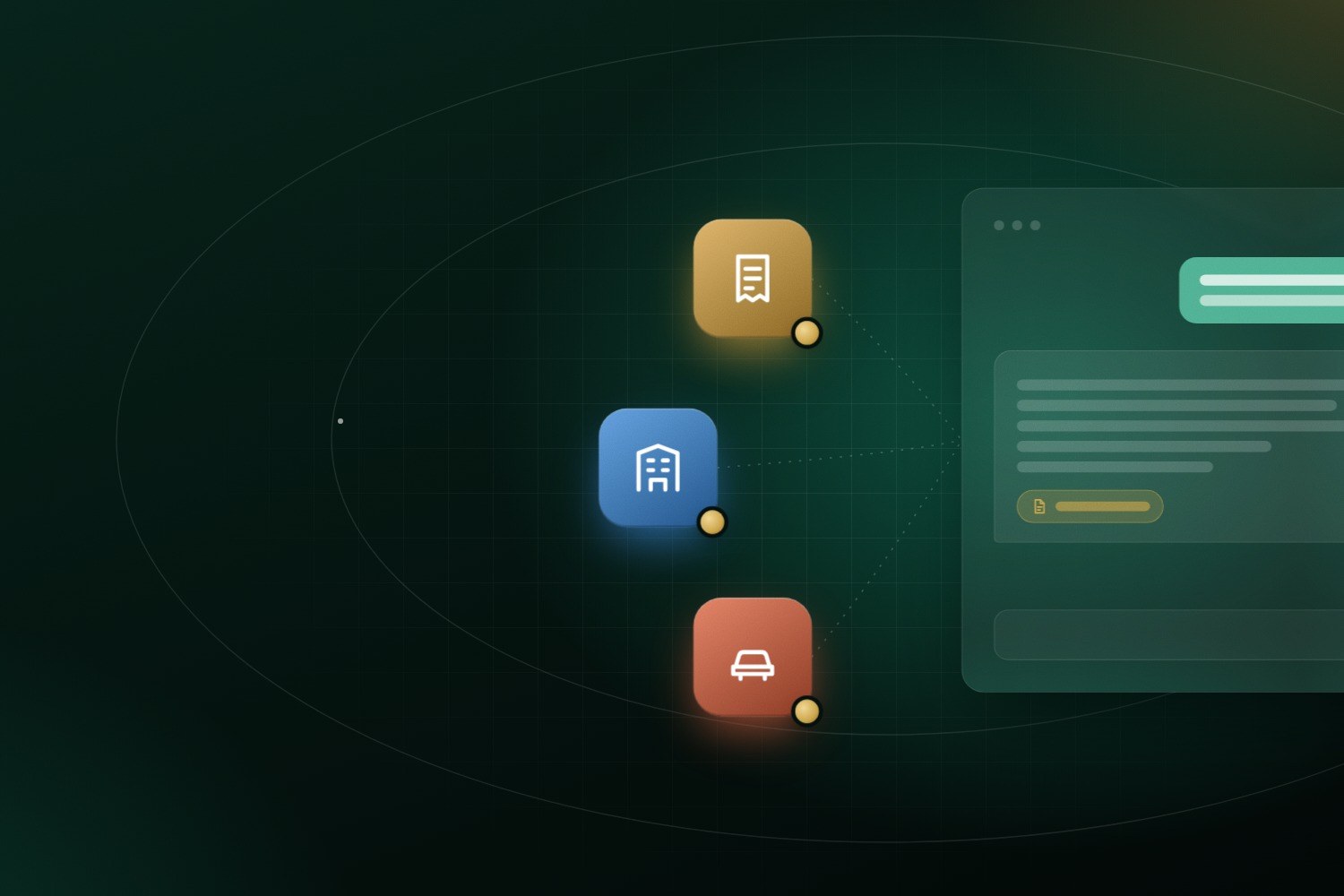
PACOD builds open-source software, and it also runs a product of its own on it. At app.pacod.io, three specialist AI assistants answer questions about Bulgarian tax and accounting, condominium and property, and road-traffic law. They answer in Bulgarian, English, German and Russian, at any hour, from the legislation in force, and they name the provision behind each answer. This post covers what each of them does, how its answers are grounded, and how the three are built on the platform this blog writes about.
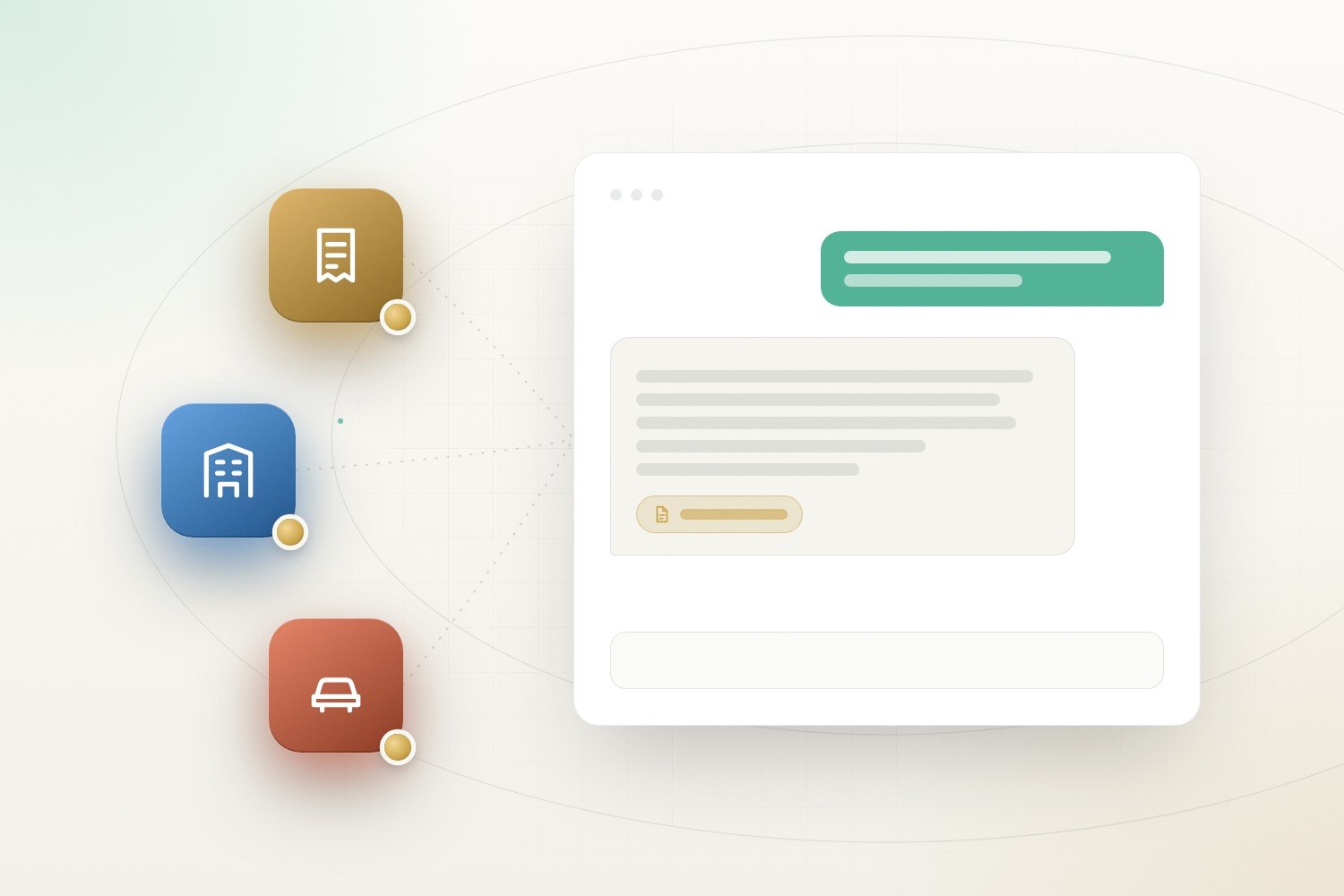
Three specialists, not one chatbot
A general chatbot answers everything in the same confident tone, including what it only half remembers. The assistants work the other way round: each one knows a single field, knows where to look in it and stays within its remit. You switch between them in a click.
The Tax & Accounting Assistant covers rates, thresholds, deadlines, VAT, invoices and bookkeeping under the current Bulgarian tax and accounting rules. Typical questions are what this year's VAT registration thresholds are and when registration becomes mandatory, which social and health contributions a self-employed person pays, what a valid invoice must contain and when a credit note can be issued, when the annual tax return is due and what follows a late one, and how income from a second employment contract is taxed.
The Condominium & Property Management assistant covers Bulgarian condominium law, the Condominium Management Act (ЗУЕС): the general meeting and how it is convened, its quorum and majorities, the common parts, the "Repair & Renewal" fund, what the manager may decide alone, the owners' duties, and the property tax and waste fee that go with a flat. It is for owners and managers alike. Which decision needs which majority, and a majority of what, ideal parts or owners, is where most disputes start; the assistant is meant to be asked before the meeting, not after it.
The Traffic Law Assistant covers Bulgarian road-traffic law and road safety (ЗДвП): fines, penalty points and appeals, driving licences, the roadworthiness test (ГТП), insurance duties, vignettes and the annual vehicle tax. It says what a given offence actually carries, the fine, the points and any suspension, with the provision behind it. It explains how an electronic ticket differs from a penal decree, what the appeal deadlines are, and what to do at the scene of a minor accident. Amounts are given in euro, with the leva equivalent alongside.
Grounded in the law in force
The assistants answer from the law, not from a model's memory of it. A model's general knowledge goes out of date without saying so, and a rate it remembers may well be last year's. Every answer is therefore assembled from vetted reference material for its field, the legislation and guidance in force for the current year, and each assistant's knowledge base is maintained against that legislation.
Numbers are held to a stricter rule still. Tax rates, thresholds and deadlines, the property-tax and waste-fee rates of each municipality and the vehicle-tax rates are kept as structured reference data, not as free text. A figure is looked up in a table rather than estimated, and a municipality's rate is given where it has been recorded, not inferred by analogy.
Every answer names its source
Each answer comes in the same order: first a direct answer, then the provision it rests on. You can check it against the law itself, or hand it to your accountant or lawyer as a starting point. When an assistant is not confident, it says so. An honest "I'm not sure" is worth more than a confident guess, above all where a deadline or a penalty is at stake.
Four languages, at any hour
Bulgarian law is not only a question for people who read Bulgarian. The assistants and their interface work in Bulgarian, English, German and Russian: a question can be asked, and its answer read, in any of the four, and the provisions cited are Bulgarian law either way.
They also answer at any time. Deadlines rarely arrive during office hours, and a question about one should not have to wait for the next working day.
Information, not advice
The assistants explain the rules and point to the provisions behind them. That is what they are for, and it is also where they stop. They are an information service, not legal or tax advice. For a binding opinion on your own situation, consult a licensed accountant, a tax adviser or a lawyer. If a dispute is already under way, or you are contesting a penalty, do so before you act. The terms of service say the same: the service is an informational aid, and you check anything you rely on.
How to start
The assistants are at app.pacod.io. Create a free account, or sign in with Google, and start a conversation; there is nothing to set up or configure. The page of each assistant here has a link that opens a conversation with it once you are signed in, and PACOD assistants shows all three side by side.
There is also a monthly briefing on the changes in tax and property law that affect you, drafted by the agents and curated by people. You can subscribe to it in the app.
Built on PACOD's own platform
The assistants are PACOD's own implementation on its open-source platform, the same parts this blog describes, put to work for one product.
- Agents on pacod-ap. pacod-ap runs many agents on one deployment, each with its own knowledge, reference facts, prompts and rules. The three assistants are agents on it.
- Sign-in through pacod-id. One account signs you in to all three assistants.
- Model calls through pacod-gw. No assistant holds a model provider's key. Every call to a language model goes through the gateway, which keeps the keys, enforces the limits and records the usage.
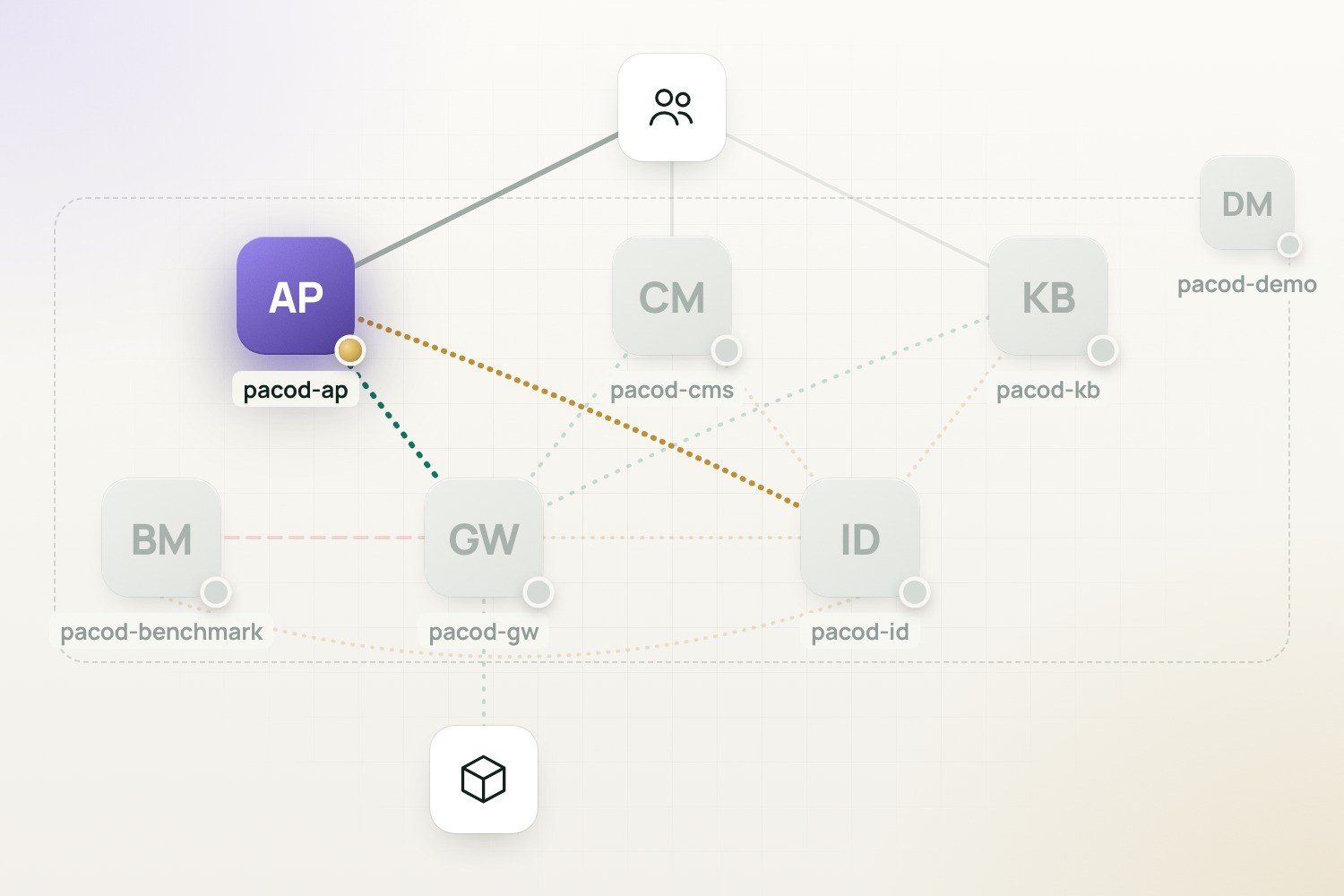
This is the kind of agent pacod-ap is built for: one whose job is to give correct, sourced answers in one domain, where a wrong rate or due date is worse than no answer. Its rules are the assistants' rules: every number comes from a structured source of truth, and every claim cites a source. What the repositories hold is the platform, not the assistants: their knowledge, reference data and configuration are PACOD's own and are maintained for the product.
Where to go next
The assistants' page has the three side by side, and each has a page of its own with typical questions and answers to the usual ones about it: the Tax & Accounting Assistant, the Condominium & Property Management assistant and the Traffic Law Assistant. pacod-ap's page explains the platform they run on. To ask your first question, go to app.pacod.io.